





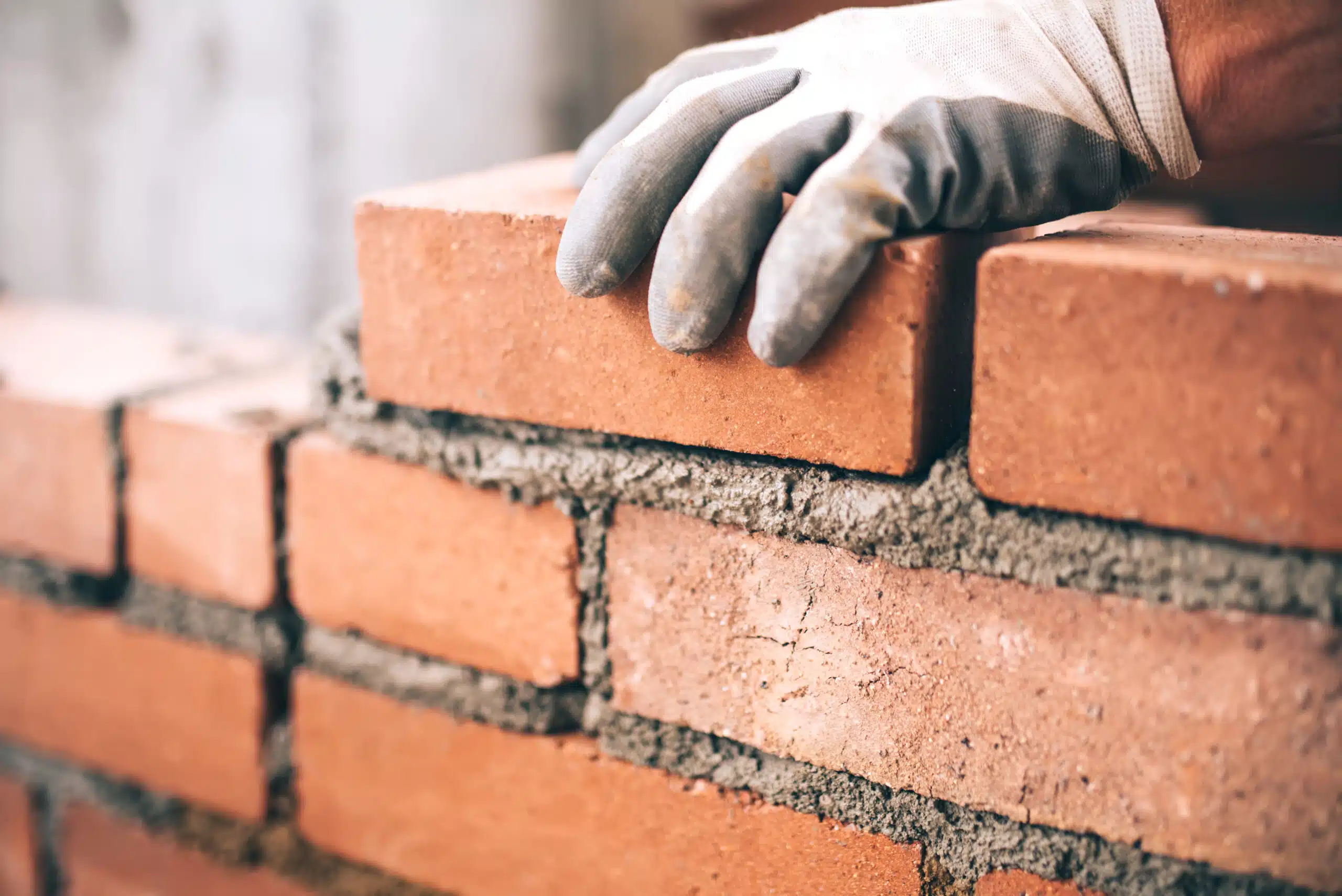
Commercial masonry restoration may look straightforward from the outside. You patch the cracks, clean the brick, and call it a day. But seasoned masonry professionals know the work is far more intricate. Behind every durable, architecturally consistent restoration are technical decisions and diagnostic skills that determine whether a building will stay sound for decades or continue to deteriorate
Here are three aspects of commercial masonry restoration that only trained experts fully understand.
Identifying Root Causes, Not Symptoms
Cracks, spalling, discoloration, and crumbling mortar often appear to be simple surface problems, but masons know these issues are symptoms of deeper structural or environmental concerns. Water infiltration is a prime example. It might appear as efflorescence or loose brick faces, but trained professionals trace the moisture pathway to determine whether it’s caused by failed flashing, porous mortar, or drainage issues behind the wall. Without identifying the cause, repairs will fail. Professionals combine visual assessment with moisture mapping, historical building analysis, and, when necessary, core sampling to pinpoint the true source of the damage.
Matching Historic Materials and Techniques
Commercial buildings, especially older ones, cannot be repaired with off-the-shelf solutions. Mortar composition, brick density, and stone properties vary widely by era and region. A mismatch can create additional stress on the masonry, accelerating damage. Restoration experts test existing materials to determine original lime content, aggregate composition, hardness, and porosity. Then they custom-blend replacement mortars and select compatible masonry units. When our team works on a historic restoration, using compatible materials is essential. The goal isn’t just visual harmony. It’s ensuring that new and old components expand, contract, and weather at the same rate.
Planning for Structural Behavior and Load Transfer
Masonry may appear static, but buildings move constantly due to temperature changes, wind load, settlement, and even vibrations from nearby traffic. Professionals analyze how a wall carries its load before making any intervention. Adding reinforcement, rebuilding sections, or replacing failing lintels must be done in ways that preserve the building’s structural integrity and prevent additional stresses. Engineers and masons often collaborate to ensure that restoration work supports, rather than disrupts, the building’s natural movement.
Commercial Masonry Restoration in Boston | Abbot Building Restoration
Our team at Abbot Building Restoration is dedicated to restoring and preserving the historic character of the Boston area. Whether it’s a two-hundred-year-old building or a newer construction, our experts bring their expertise to every project to preserve structural integrity and architectural design.
