
Last month, we looked at concrete and brick restoration in light of their similarities, but in this post, we’re going to focus on the differences. Concrete restoration in Massachusetts is important for maintaining the beauty of our historic neighborhoods as well as ensuring the safety of those who live and work there.
To better understand the process and importance of concrete restoration in Massachusetts, let’s take a look at how it differs from brick restoration.
Materials
The difference in materials is, naturally, the most obvious. It is, however, quite significant. Concrete or reinforced concrete buildings are usually constructed from larger blocks or have a continuous concrete surface. Bricks tend to be smaller than concrete blocks, and mortar is an integral component of the construction of a brick building. Restoring brick buildings involves replacing damaged bricks and repairing mortar, as well as addressing issues related to weathering or water damage.
Repair Techniques
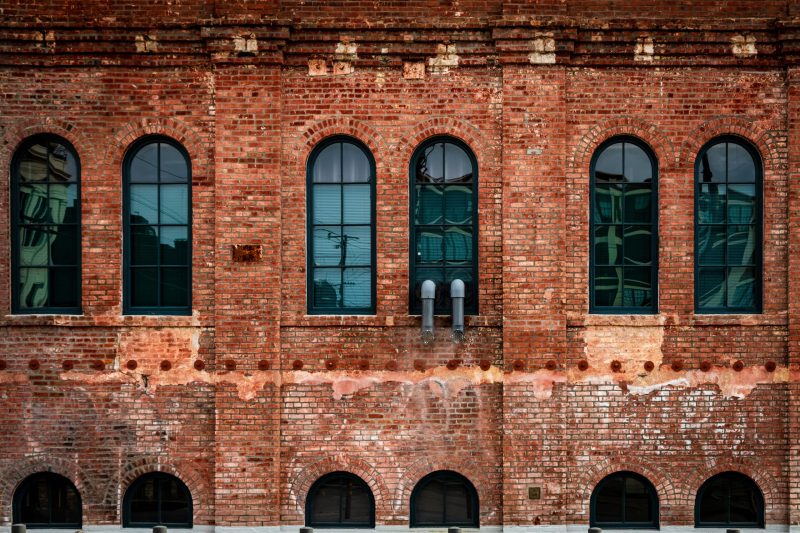
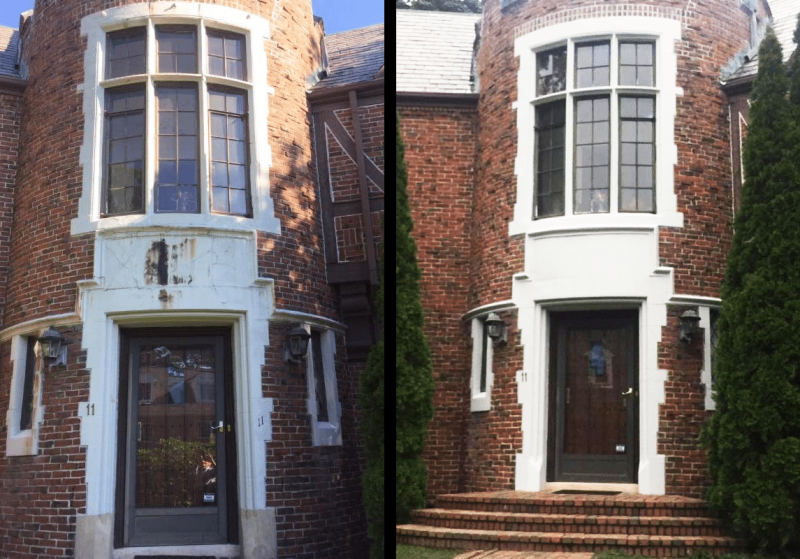
The ways we repair and restore concrete and brick are also different. Restoring concrete involves resurfacing the concrete, filling and repairing cracks, and applying protective coatings. When restoring a brick building, we have to look at the condition of each individual brick. We find matching bricks to replace existing ones, repoint mortar joints, and clean the brickwork to restore its original appearance.
Flexibility and Movement
Buildings settle over time, and the materials affect what that settling looks like. Concrete is more rigid than brick, so shrinkage or expansion as the building settles can cause cracks in the surface. While repairing and restoring concrete, we have to take the rigidity into account so the problem does not become worse in the future.
On the other hand, brick structures tend to be more flexible because they are made of more and smaller pieces. When restoring these buildings, we also have to take the flexibility of the material into account.
Appearance and Finish
Finally, the way we want the finished restoration to look differs between concrete and brick buildings. When it comes to concrete, we can apply coatings and finishes to match the rest of the building or achieve a specific appearance. The focus when restoring brick is to maintain or enhance the natural appearance of the brickwork. We usually achieve this by cleaning the brick or matching replacement bricks to the original brickwork.